
There is no color that says Fall more than orange, and there is no vegetable that says autumn more than pumpkin. Between Jack-O-Lantern, the pumpkin scones that show up at every Starbucks, pumpkin spice cake or pumpkin cream cheese muffins, one cannot have too much pumpkin.
The bright orange color is a dead giveaway that pumpkin is loaded with the important antioxidant beta-carotene (yes, carrots and yams have it too). Beta-carotene is one of the plant carotenoids converted to vitamin A in the human body. In the conversion to vitamin A, beta carotene has many important functions in overall health. Researches indicate that a diet rich in beta-carotene may reduce the risk of developing certain types of cancer and offers protection against heart disease. Beta-carotene offers protection against other diseases as well as some degenerative aspects of aging. Other main nutrients in pumpkin are lutein and alpha carotene.
Since some squash share the same botanical classifications as pumpkins, the names are frequently used interchangeably. In general, pumpkins have stems which are firmer, more rigid, pricklier, have a +/- 5 degree angle, and are squarer in shape than squash stems, which are generally softer, more rounded, and more flared where joined to the fruit. There are many pumpkin and squash varieties available in the markets these days: pumpkin, giant pumpkin, spaghetti squash, winter squash, butternut squash, acorn squash and many others. They can all be baked, boiled, braised, microwaved or steamed, and most develop a hint of a sweet flavor when cooked.
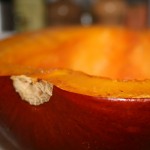

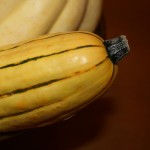
I was looking around for less sugar sweetened and more healthy pumpkin recipes, just to realize that here in the USA most people consider pumpkin a sweet, and were actually quite surprised to realize there are much more interesting and tasty uses for pumpkin.
Here at Palette Dome Cuisine we have many different uses for pumpkins. Check our recipes section in the following fall weeks to find interesting pumpkin recipes and ideas like
- Fresh Butternut Squash Salad
- Chirshi: Spicy North African Pumpkin Salad
- Gingered Pumpkin-Pear soup
- Pumpkin, Chickpea and Chicken Tabekha (Casserole)
- Pumpkin ravioli
- Classic Mid Western pumpkin pie
- Pumpkin spice cake
Have more pumpkin ideas and recipes? Have great pumpkin pictures you want to share? Join our online community and start commenting and uploading content to our blog!
We won’t give away all our secrets, but you might want to check our menu section to see how pumpkin can be used for your Thanksgiving dinner. Or do you prefer us to serve your Thanksgiving event? Maybe cooking “Pumpkins for My Pumpkin” class at home? Contact us today for menu, schedule and cost options.
Chef Mesilati wishes you a bright Fall season, pumpkins!
Pumpkin Nutrition Facts
(1 cup cooked, boiled, drained, without salt)
- Calories 49
- Protein 2 grams
- Carbohydrate 12 grams
- Dietary Fiber 3 grams
- Calcium 37 mg
- Iron 1.4 mg
- Magnesium 22 mg
- Potassium 564 mg
- Zinc 1 mg
- Selenium .50 mg
- Vitamin C 12 mg
- Niacin 1 mg
- Folate 21 mcg
- Vitamin A 2650 IU
- Vitamin E 3 mg
Sources:
Discover more from Palette Dome Cuisine
Subscribe to get the latest posts sent to your email.


You must be logged in to post a comment.