
Spices have been around since ancient times when they were worth their weight in gold, literally, yet lost some of their glamour with becoming a commodity. Commodity or gold, spices are a magical gift from Mother Nature that we simply cannot take for granted.
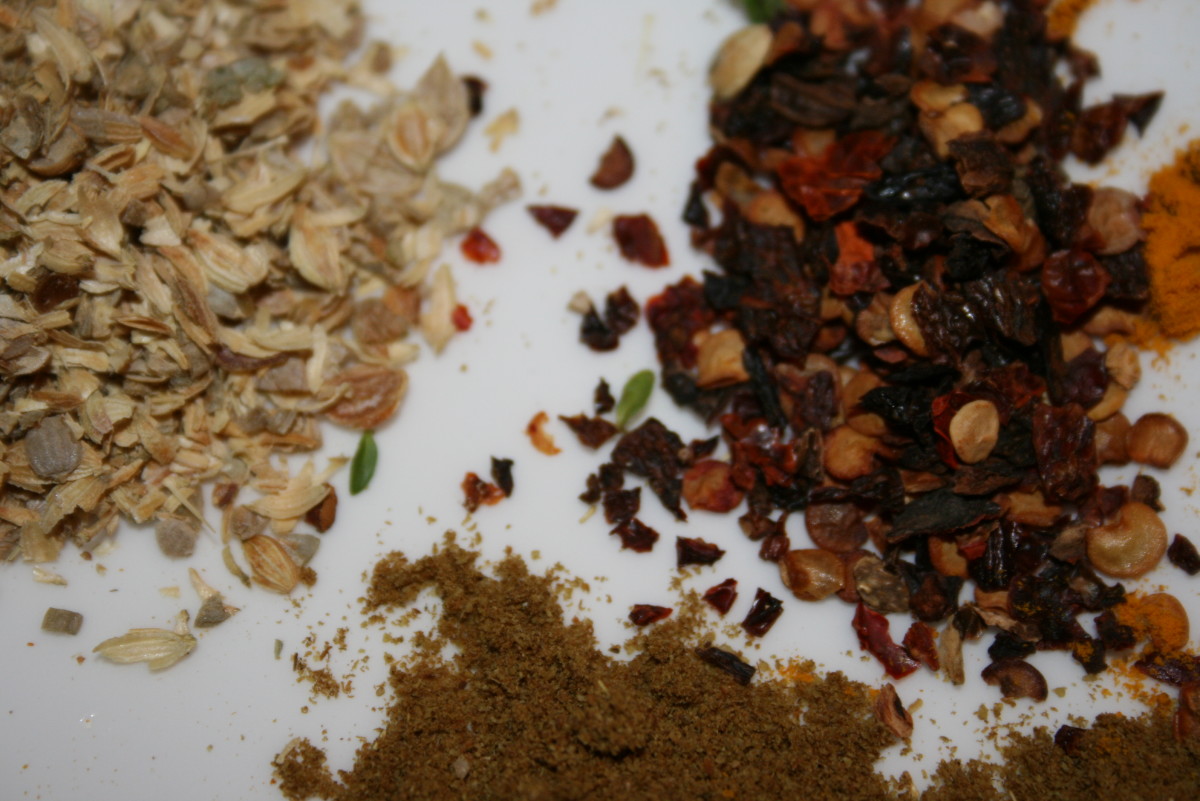
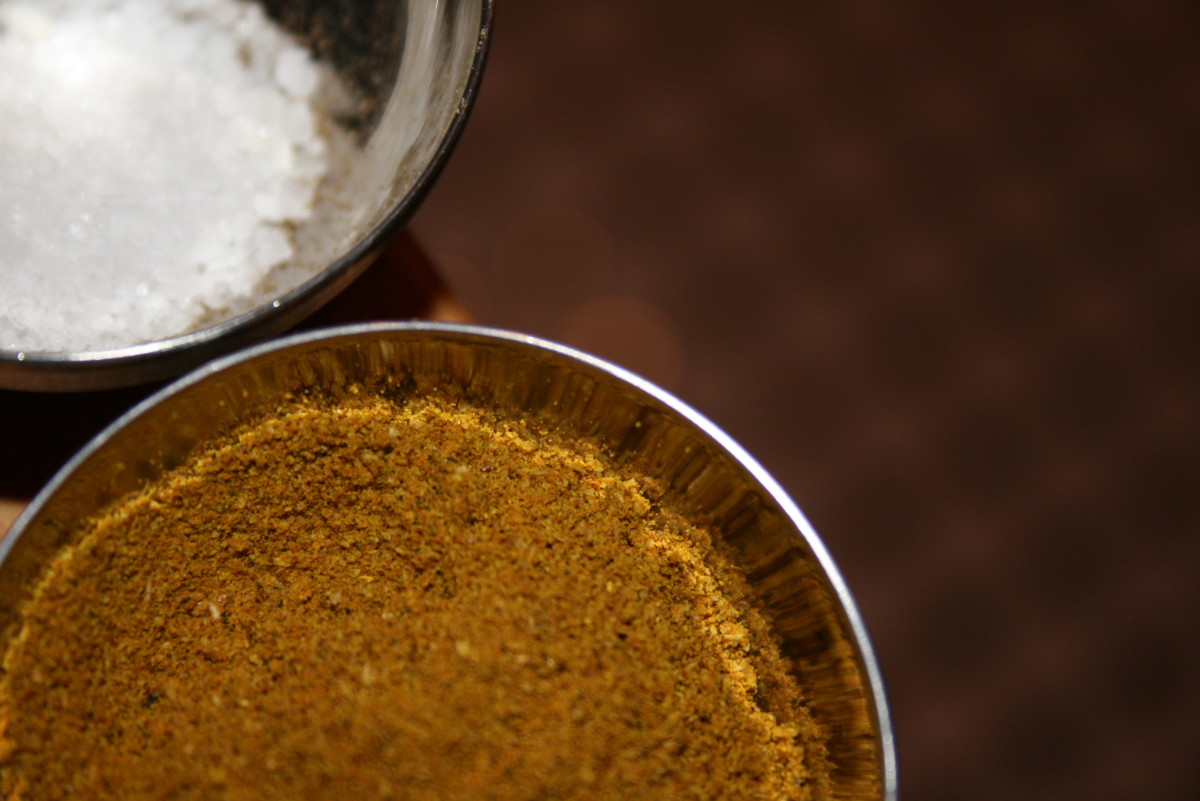
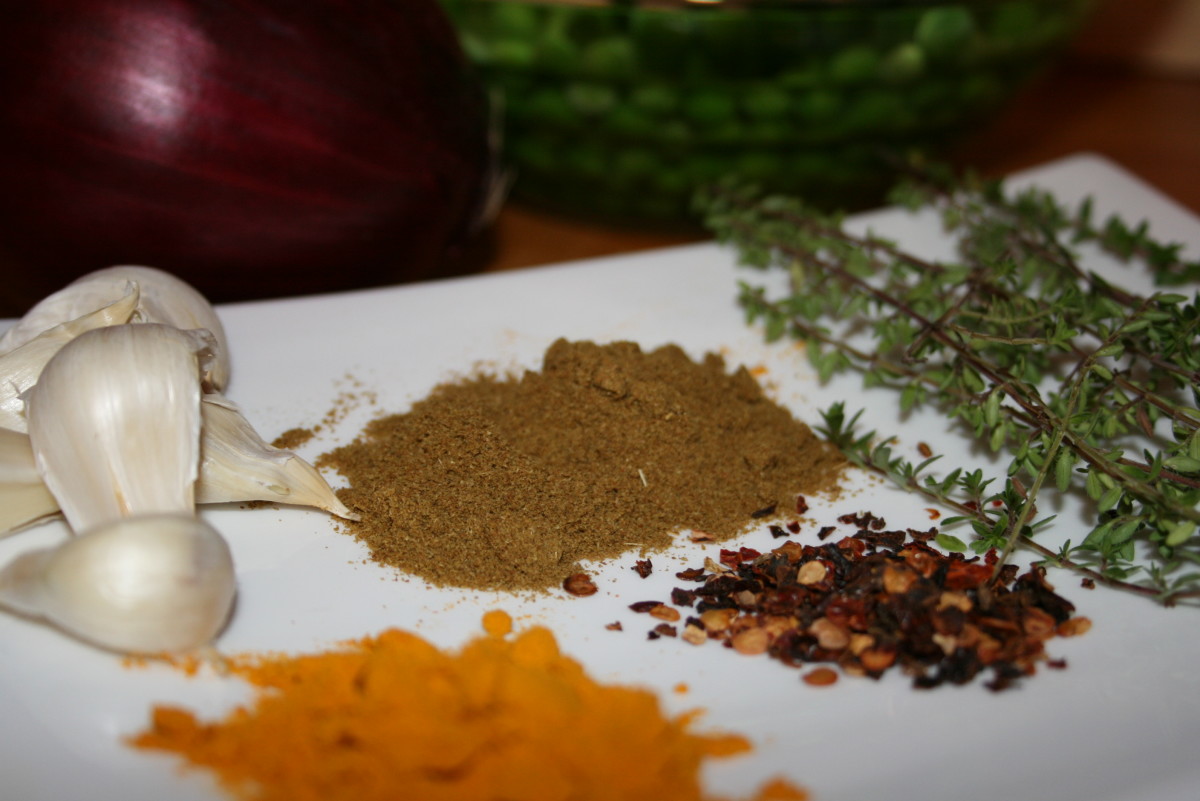
Every chef will tell you they have a secret spice they use to enhance their food: smoked paprika for that immediate unique smoky flavor, allspice for that nutty aroma, a dash of cumin for that fresh unique scent, coriander for a citrusy hint, turmeric for an earthy tone… and on…
Modern science will tell you about the ultimate power of spices and herbs as weapons against illnesses such as cancer, diabetes, heart and even Alzheimer’s disease. We are starting to see a scientific basis for why people have been using spices medicinally for thousands of years.
In India, where spices tend to be used by the handful, incidence of diet-related diseases like heart disease and cancer have long been low. But when Indians move away and adopt more Westernized eating patterns, their rates of those diseases rise. While researchers usually blame the meatier, fattier nature of Western diets, other experts believe that herbs and spices—or more precisely, the lack of them—are also an important piece of the dietary puzzle.
Research about the therapeutic effects of herbs and spices is enticing, but how does it translate to what you eat every day? Quite easily, as a matter of fact. It turns out that relatively small amounts of dried and fresh herbs and spices may have health benefits. For example, it’s reasonable to expect health benefits from 1.5 teaspoons of ground cinnamon. Spread it throughout the day to make it most palatable.
Seasoning your dishes with spices allows you to use less of other ingredients linked with health problems, such as salt, added sugars and sources of saturated fat, while contributing bright color, savory taste and sensational aroma.
Here are some tips for using herbs and spices:
- Use herbs and spices at their peak to get the most out of them. The active compounds in herbs and spices degrade with time.
- Avoid overwhelming a dish with too many seasonings, and never use two very strong herbs together. Instead, season with one strong flavor, and one milder flavor to complement the food.
- When cooking, add dried herbs early in the process, but use fresh herbs at the end for optimum flavor.
- Add herbs and spices to cold dishes several hours before serving to allow the flavors to blend.
- Fresh leaves should be very finely chopped. Exposing a greater number of surface cuts will allow the food to absorb more of the herb’s flavor.
- When necessary, a mortar and pestle can be kept in the kitchen to powder dry herbs.
- If doubling a recipe, you may not need to double the herbs. Use just 50% more.
- Dry herbs and spices carry more flavor than fresh. Use this guide when following a recipe: ¼ teaspoon powder = ¾ teaspoon dried = 2 teaspoons fresh
Happy Aromatic Cooking!
Discover more from Palette Dome Cuisine
Subscribe to get the latest posts sent to your email.


You must be logged in to post a comment.